What are biodegradable raw materials?
Degradable raw materials refer to materials that can naturally decompose into water, carbon dioxide, or organic matter under certain environmental conditions (such as microbial action, light, humidity, etc.). Unlike traditional non biodegradable materials such as plastics, biodegradable materials do not accumulate in the environment for a long time, thereby reducing damage to the ecosystem.
What are the common biodegradable raw materials?
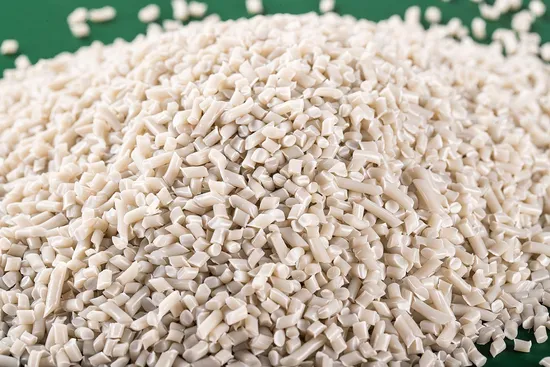
1. Biobased biodegradable materials: such as polylactic acid (PLA), starch based plastics, cellulose, etc., derived from plants (such as corn, sugarcane).
2. Petroleum based biodegradable materials: such as poly (adipic acid/butylene terephthalate) (PBAT), although derived from petroleum, can be decomposed by microorganisms.
3. Natural biodegradable materials: such as bamboo fiber, paper products, cotton and linen, which are completely derived from nature and easy to degrade.
What benefits will biodegradable raw materials bring to the environment?
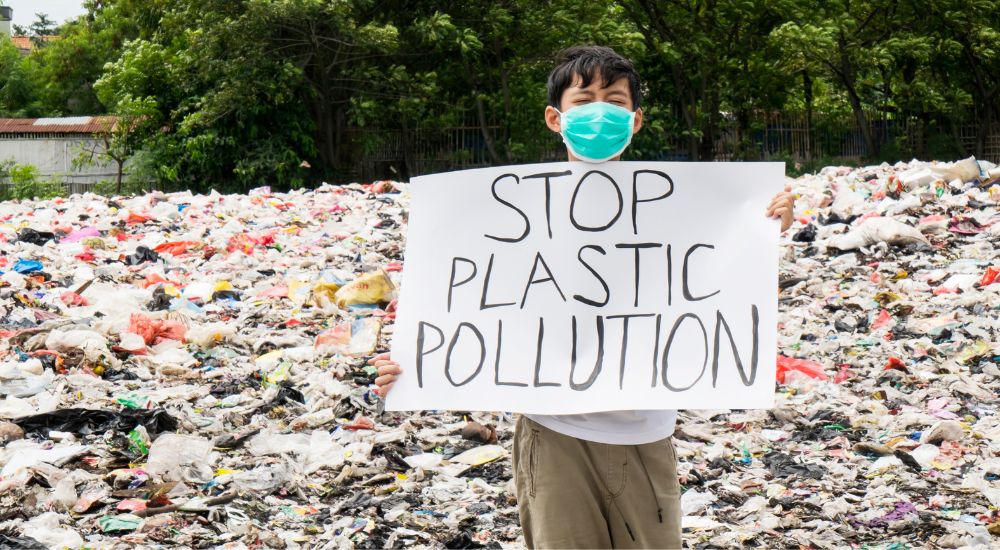
- Reduce “white pollution”
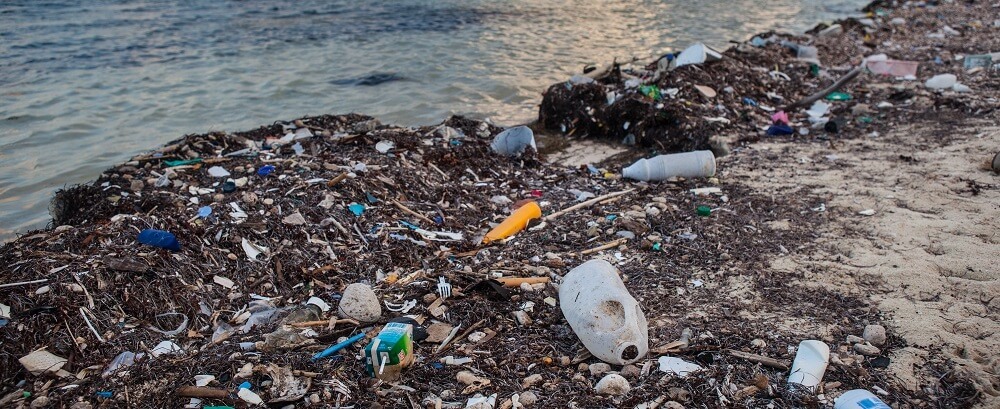
Plastic waste forms a ‘garbage belt’ in the ocean, posing a threat to marine life.
If biodegradable materials are mistakenly thrown into nature, they can also decompose quickly, avoiding long-term harm. - Improve soil health
Traditional plastics residue in soil can hinder plant growth, while biodegradable materials (such as starch based plastics) can increase soil organic matter and promote ecological restoration after decomposition. - Protecting wildlife
Every year, a large number of animals die from ingesting plastic.
The rapid decomposition characteristics of biodegradable materials reduce this risk. - Relieve the pressure of garbage disposal
Degradable waste can be processed through composting and other methods, reducing the need for incineration and landfilling, lowering the cost of waste disposal and secondary pollution.
Conclusion
Degradable raw materials are not only an environmentally friendly choice, but also a key path for humans to address plastic pollution and achieve sustainable development. From daily necessities to industrial packaging, gradually adopting biodegradable materials, each of us can contribute to protecting the earth’s environment.
Views: 0