In today’s era of consumerism, plastic products are everywhere, from daily food packaging to industrial components, and their convenience enables efficient operation of life and production.
However, the environmental crisis caused by plastic waste is becoming increasingly severe, prompting research and industry to accelerate the exploration of alternatives. Biodegradable raw materials have emerged, and the two are in stark contrast in many aspects.

Traditional plastic products
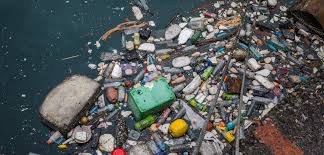
Difficult to degrade into a century old problem: In the natural environment, ordinary plastics take hundreds to thousands of years to degrade, and a large amount of waste plastics are piled up and buried, occupying land, changing soil structure, and affecting vegetation growth;
It flows into the ocean, forming a giant garbage patch that threatens the survival of marine life. Tragic incidents such as sea turtles mistaking plastic bags for jellyfish ingestion and seabirds being injured and killed by plastic ropes have occurred frequently.
-The hidden dangers of microplastics are endless: Plastic aging and wear produce microplastic particles with a diameter of less than 5 millimeters, which can enter the food chain and accumulate from planktonic organisms to higher organisms. Research has found that microplastics have been detected in human blood and lungs, and potential health risks have attracted global attention. Long term accumulation or interference with endocrine and immune systems.
Degradable raw material
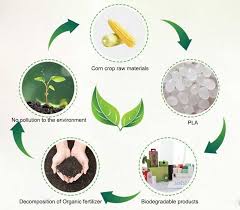
-The advantages of reducing pollution at the source are significant: products made from biomass (such as corn starch, sugarcane bagasse) or mineralizable synthetic materials can be decomposed into carbon dioxide, water, and biomass within a few months under composting conditions, returning to natural circulation, significantly reducing the total amount of garbage, reducing the pressure of filling and incineration, helping ecological restoration, and turning organic waste into treasure as fertilizer to nourish the soil.
-Better consideration of the entire lifecycle: Obtaining raw materials, plant-based biodegradable materials grow and absorb carbon dioxide, offsetting some of the later degradation carbon emissions;
In the production process, although there is room for optimization in energy consumption, compared to traditional plastics that start from fossil materials, the resource dependence and carbon emission chain are shorter, and the environmental footprint is relatively light.
Development prospects and outlook
Traditional plastic products are difficult to shake in the short term due to their strong foundation, but the tightening of environmental regulations and the awakening of consumer environmental awareness are compressing their living space;
Although biodegradable raw materials are facing growth pains, they are the key to breaking through in the future. Research and development breakthroughs can improve performance, expand production capacity, optimize cost curves, and gradually replace traditional plastics in packaging, agriculture, healthcare, and other fields, reshaping the green material landscape and realizing the material transformation vision of harmonious coexistence between humans and nature.
At present, interdisciplinary cooperation, policy support and guidance, and coordinated efforts in market cultivation will accelerate the transition from old to new in the materials field and open a new chapter in sustainable development.
Views: 0